LYA 2026:
Bexley Habitat Triangle and Alum Creek Habitat Restoration Edition
Restoring our land one garden, one stretch of creek at a time, as a community
Love Your Alley (and yards!) is about transforming our underutilized alleys and yards to support our ecosystem and for beautification with native plants and murals.
The initiative has a bit of a twist this year! Because of our stellar community efforts over the past 5 years, Green Bexley’s Love Your Alley secured a $47,235 grant from Village and Wilderness to restore land on 33 connected properties in South Bexley. We are calling this area the Bexley Habitat Triangle (BHT) and it is located from Astor to Livingston and Pleasant Ridge to College Avenue. This initiative will create one large habitat in Bexley for birds, bees and butterflies.
In 2025 we restored land on 30 residential properties as a community. We removed tons of honeysuckle from 17 yards and installed 1800 native plants, shrubs and trees! In 2026 we will restore 3 yards in the BHT.
In partnership with Friends of Alum Creek Tributaries (FACT), we have also turned our attention to Alum Creek habitat restoration. In the fall of 2025, with many Bexley residents and native landscapers, we started honeysuckle removal from the skatepark to the dog park. We plan to continue removing invasives in 2026 and hope that you will join us! We will have monthly volunteer opportunities starting in March.
We invite the community and anyone who would like to join in, for any and all free speaking events at the Bexley Public Library and volunteer opportunities, too. Brian Jorg will kick of Love Your Alley speaking events this year on April 30th with a talk Great Native Shrubs for the Home Landscape. On May 7th the Garden Sage, Debra Knapke will offer a talk on 5 Keystones and 5 Invasives. Finally, ecological gardening is a year round endeavor! On May 14 Come learn Ecological Gardening Tips for a Healthy Yard Year-round
Thanks to the City of Bexley, the Bexley Community Foundation and the Bexley Women’s Club, we are offering free native plants to the community! On Sunday, May 3 from 10:00-12:00 (or until we run out!), please stop by City Hall for your free native plants!
By planting native plants, we are cultivating our land to create a Homegrown National Park to support our pollinators who in turn GREATLY support us! Native plants pack a powerful sustainability punch: they support our birds and pollinators, assist in flood prevention, fight climate change, and protect the aesthetic that defines the Midwest. With the majority of land in the US developed, our ecosystems are threatened. Homeowners are in an incredible position to restore biodiversity and protect ecosystems and it’s as simple as using our properties to plant native!
Since 2021, Green Bexley’s Love Your Alley has distributed and/or installed 8000 native plants to residents, installed 110 native gardens, and hosted 18 educational events. In addition, local artists painted 30 murals and we’ve held three festivals and one native plant giveaway. We’ve also banded together with local schools working with over 400 students from Bexley High School and Columbus School for Girls and St Charles Prep. We will continue these efforts in March and we’d love for YOU to join us! Also, we hope to secure funding to offer a community plant give away this year as well. Stay tuned for more info.
Thank you to the Village & Wilderness for their generous grant for the Bexley Habitat Triangle and to Edge Effect, The City of Bexley, Franklin Soil and Water Conservation District and Catch the Water for their in-kind donations.
Program Information & Resources
-
If you don't have an alley, there are still ways you can be involved in this program
Install native plants in your yard
Install a bench in front of your property—in a place for community use
Install a fairy garden
Join a plant installation team
Join a litter clean up crew
Adopt an alley: work with friends on their alley!
Convert part of or all of your lawn to a pollinator lawn
Help plan and organize
Grow native seedlings and distribute to neighbors
Help get the word out when chatting and through social media
Donate money to the Love Your Alley initiative to gets lots of plants and artwork in our alleys!
-
The LYA 5! These are the top 5 plants that will thrive in most alley gardens regardless of soil type and amount of sun:
• Penstemon Digitalis (Foxglove beardtongue)
• Echinacea Purpurea (Purple Coneflower)
• Pycnanthemum Virginianum (Mountain mint)
• Asclepias Incarnata (Swamp Milkweed)
• Monarda Fistulosa (Bee Balm)
Recommended Shrubs for the Alley:
• Ilex glabra (Inkberry) (need male and female for berries)
• Hypericum prolificum (Shrubby St. Johns Wort)
• Ceanothus americanus (New Jersey Tea) (use fencing to protect from rabbits to get established!)
• Aronia melanocarpa (Chokeberry)
New Garden Care and Maintenance throughout the Year
• Installing your new plants soon will help them to survive and thrive.
• If you can’t plant them right away, please be sure to water each day and keep shaded
• It is generally true that native plants need less care than non-native plants. However, it is important to keep an eye on them until they are established (mid-fall). One suggestion (if a hose doesn’t reach) is to carry a bucket of water to the alley every other day for the first month, and then twice a week through July and August, especially during dry spells. Give each plant about a pint of water per watering, watering not just the plant itself but also the soil around it.
• A light rain may not be sufficient to hydrate the soil around plants. A good rule of thumb is that a 1/2" of rain is a pretty good rain that will enable you to skip a day and that a 1" rain might enable you to skip half a week. Soil moisture will evaporate more quickly on sunny days.
• If you have been watering consistently and your plants look dehydrated, check the soil moisture with your fingers before watering. Many people actually overwater plants by mistake, and symptoms of overwatering and under-watering often look the same!
• it’s a good idea to add mulch or leaves around plants (not too high or too close) to help keep unwanted weeds from growing and to help soil and plants retain moisture.
• some plants seedlings get munched by rabbits, squirrels and deer. If you notice this, you can sprinkle Repels All weekly around seedlings and after rain until plants are larger.
• If you see insects such as caterpillars on your plants, note that many of them are beneficial. In fact, there are many native species of insects that rely on specific plants for food -- and that's a big part of the reason Love Your Alley plants native plants. You can try to identify the insects by using an app like Seek or Picture This.
• Some alley gardens would benefit from having a border of bricks, blocks, rocks or boards to help retain soil and soil moisture, since a hard rain will often wash soil and organic matter onto the alley surface. Also, a slightly concave or receptive alley garden will allow more rain to infiltrate close to where it falls.
• Beneficial native insects often use plant stems for part of their life cycle. Therefore we encourage you to consider leaving spent stems in place through the winter and into mid-May. Note that you can cut the stems and leave them nearby in a bundle if that feels better to you aesthetically. Many plants will bloom longer if they are deadheaded, but this is not essential. Consider leaving some of the seed-heads on site, but you may wish to harvest some seed from the plants to use in other areas of your property or share with neighbors.
• If you have a yard service, please be sure to instruct them not to pull out or mow new plants.
Early and Late Blooms
Our pollinators need early spring blooms and late fall blooms! Click here to view the most needed and helpful native plants for the central Ohio region.
Recommended Websites:
Join the movement and start a new HABITAT™ by planting native plants and removing most invasive plants. It is the largest cooperative conservation project ever conceived or attempted.
Plant a Pocket Pollinator Garden
Get $50 Towards Native Plants!
Where to buy seeds and plants?
When buying plants it’s important to buy true natives. There are many cultivars. Non-native plants are like plastic, and don't benefit our pollinators. It’s also important to verify that the plants you are buying haven’t been sprayed with insecticides.
Good source for seedlings/plants:
Native Landscaping & Consulting
Monarch Meadows Native Plant Nursery
Good sources for seeds:
Oakland Nursery
Prairie Frontier
Prairie Moon Nursery
Books:
The Nature of Oaks by Dr. Doug Tallamy
Bringing Nature Home: How You Can Sustain Wildlife with Native Plants by Doug Tallamy
Nature’s Best Hope by Doug Tallamy
Native Plants of the Midwest: A Comprehensive Guide to the Best 500 Species for the Garden by Alan Branhagen
How to Eradicate Invasive Plants by Teri Dunn Chace
The Midwestern Native Garden: Native Alternatives to Nonnative Flowers and Plants by Charlotte Adelma
Pollinators of Native Plants by Heather Holm
Lawns Into Meadows by Owen Wormser
The Pollinator Victory Garden by Kim Eirman
Planting Native to Attract Birds to Your Yard by Sharon Sorenson
Plants that mosquitos dislike:
• Citronella
• Rosemary
• Lavender
• Sweet basil
• Marigolds
• Lemonbalm
• Mint
• Sage
• Garlic
• Catnip
• Russian sage
Dragonflies eat mosquitos! Plants that attract dragonflies:
• Black-eyed Susan’s
• Swamp Milkweed
• White Yarrow
• Joe Pye Weed
• Meadow Sage
-
-
We are looking for 2 types of voIunteers:
We are looking for a volunteer who is on board with habitat restoration to setup and maintain LYA as a 501c3
If you enjoy being outside and working in the garden or yard, you can also participate in Love Your Alley by volunteering. Whether you need community service hours for school, or you're looking for a fun outdoor activity, you can register to volunteer by submitting our Volunteer Form (link). Someone will contact you after your information has been submitted.
-
Community herb garden
Pollinator garden
Artwork on garage
Artwork on fence
Artwork in gardens
Murals
Grapevines
Flag streamers
Little free library
Little Art Museum
Water features for bees and butterflies (mosquito free)
Hang alley sign with your alley name
-
A big thank you to, Ben Pinciotti, our Cassingham Elementary Art Teacher for pulling together all these ideas for Love Your Alley!
Click here to view Mr. Pinciotti's website with inspiration for your alley projects!
-
Mural Guidelines
We have embarked on a study of best practices for owners of urban murals and wanted to share our findings and recommendations. This is our third year connecting mural artists with residents. We will continue to survey the condition of the Love Your Alley murals and let you know when we learn anything new that will help you maintain your new beautification project. We want to support you having the best experience of beautifying your property and so we suggest the following:
To Homeowners:
Mural location matters: If the surface receives full sun, it is not the right place for the mural. Also, a mural on a wooden fence sitting in soil that retains moisture will deteriorate faster. (A fence sitting in soil will also deteriorate faster. We recommend moving soil away from the fence to protect your fence and the mural.) Before beginning the project, a mural specialist will look at the surface and determine if it’s a good location based on these factors.
We recommend you survey your mural at the end of the summer and at the end of the winter to see how it has weathered the season. Speak to your muralist to find out whether they are interested in returning to make any repairs to your mural should they be needed. If not we’ll let you know what kind of paint is best for touch ups.
We recommend murals be gently cleaned with water and diluted dish detergent once a year.
We recommend Master Clear Supreme (Water based clear coat with UV protection, interior/exterior, acrylic /aliphatic polyurethane, can be used over any previously painted surface. Protects exterior surfaces from oxidation, salt air, chlorine, mildew etc. Dries quickly)
To Muralists:
The surface should be cleaned, dry and free of dust before work begins.
We’ve found that exterior paint is the best paint for outdoor murals. LYA provides paint for our muralists.
We’ve found that applying paint thinly (as opposed to thick applications) lasts longer.
LYA will supply Master Clear Supreme sealant to be applied to all murals.
Paint adheres best between 60-80 degrees. Avoid painting when it is too hot or too cold.
Please provide your name and contact information. If you are student artists who are working with an advisor, please provide your advisor’s name and contact information.
We ask that you sign and date your work with month and year of completion.
If you are a student artist, please include your grade level and school.
We assume you use the materials provided for your painting. If not, please check with us before you begin and list what materials you used.
If there is a title for your piece please let us know. When appropriate, the title can also be included in your mural.
-
Donations are currently on hold as LYA looks for a partnership with a 501c3 to accept your generous donations!
We are looking for a volunteer who is on board with habitat restoration to setup and maintain LYA as a 501c3
Donations contribute to native plant purchases for 43209 and Love Your Alley classes and events. Thank you for considering making a donation to this initiative!
Programs, Classes, and Speakers
Love Your Alley events and speakers are scheduled throughout April and May to help us learn more about caring for the land that we depend on. This year we will focus on native shrubs, keystone and invasive plants and year round ecological gardening!
3/29/26 and 4/12/26 Alum Creek Habitat Restoration Volunteer Events
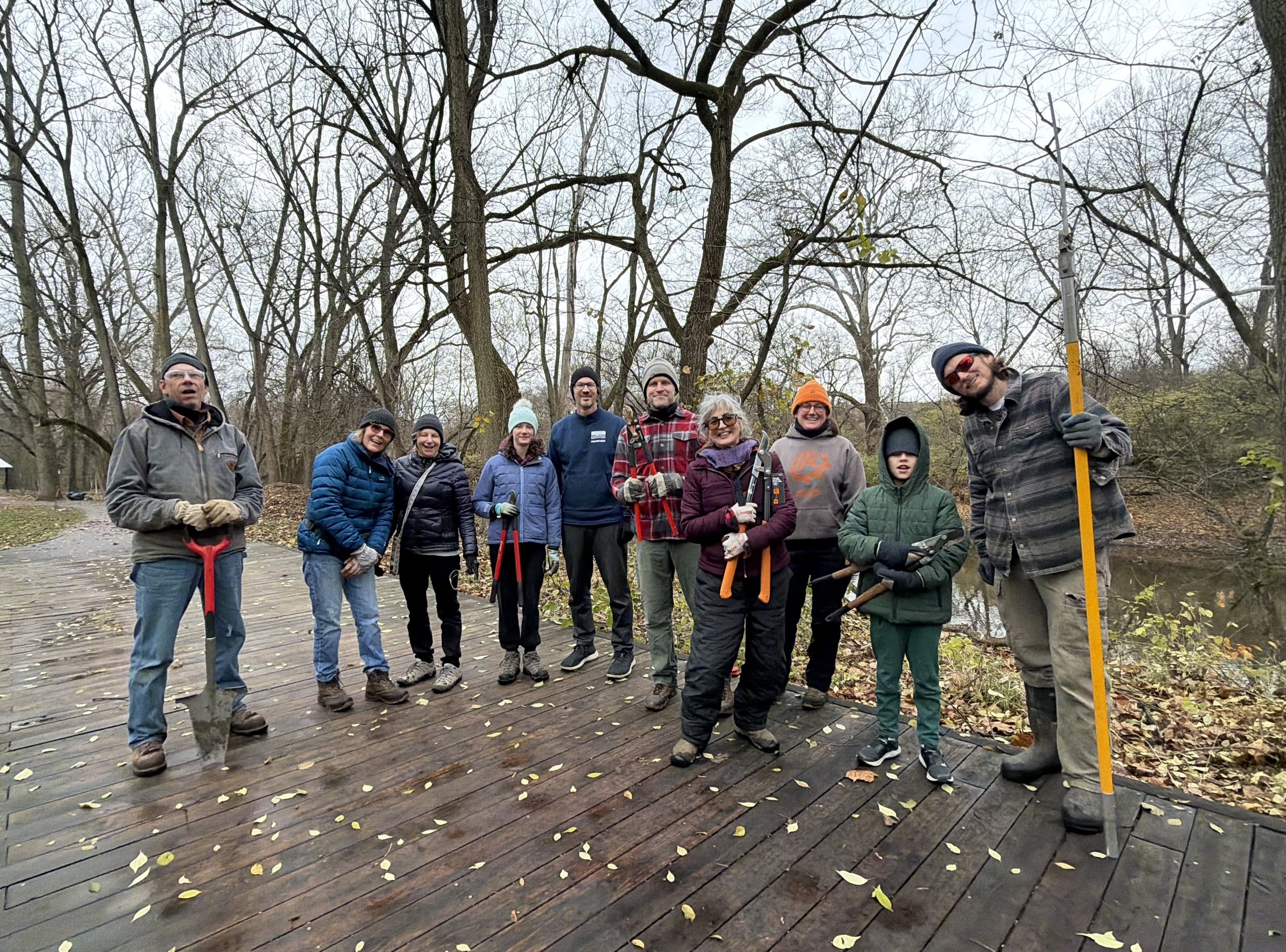
Let’s restore our precious Alum Creek, together.
Join Green Bexley's Love Your Alley and Friends of Alum Creek and Tributaries (FACT) on Sunday, March 29th and Sunday April 12th in restoring native woodland along Alum Creek. These events will be assisted by invasive specialist, Peter Harrington from Native Landscaping and Consulting who will guide us in removing invasive plants such as english ivy, wintercreeper, and porcelain berry among others. Peter will show us how to identify and remove these plants--no experience necessary! Come learn with us and help us restore our precious Alum Creek!We will meet at the Bexley Dog Park. The closest street address is 2130 Astor. If driving a car you can park close to that address and then walk west to the Alum Creek trail. Alternatively, you can park in the parking lot across from Moshi Sushi and walk South on the Alum Creek Trail to the dog park. Please call Rebecca at 415-205-1020 if you are having trouble finding the group and she will guide you. Safety glasses, tools and gloves will be provided but feel free to bring your own if you have a favorite. Wear sturdy shoes and layered clothing. Questions? Please call or text Rebecca at 415-205-1020.
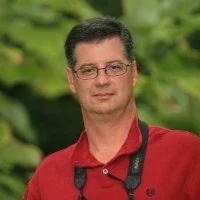
Brian Jorg
4/30/26 Great Native Shrubs for the Home Landscape with Brian Jorg, BPL 7:00
Please join us as we explore native shrubs that add interest, as well as provide purpose for the environment. Looking at both common and underutilized plants, we will describe where to install these plants, the fall color and flowering attributes, as well as its value to pollinators, birds, and the urban eco-scape as well. These selections will be a great addition to any home landscape.
Brian F. Jorg is Manager of the Native Plant Program and Bowyer Farm for the Cincinnati Zoo & Botanical Garden. Brian manages the Boyer Wetland, a 650-acre property in Warren County, Ohio. Among his responsibilities is the Native Plant Program. This program deals with a wide range of projects that deal directly with the propagation and conservation of our native flora. This also includes the recovery projects of endangered and critically imperiled plants, working with such groups as the U.S. Fish and Wildlife Service. Advanced Trillium research is also being conducted.
Included in these duties are pollinator projects, including growing over 300 native plant species that are important nectar and larval species. Brian also oversees the Oak Program. This involves growing 6,000-8,000 oak trees of various native species every year for community and conservation projects.
Being an avid birder, Brian also oversees the bird banding program and monitoring of avian populations at the wetland. 211 bird species have been documented on the wetland so far.
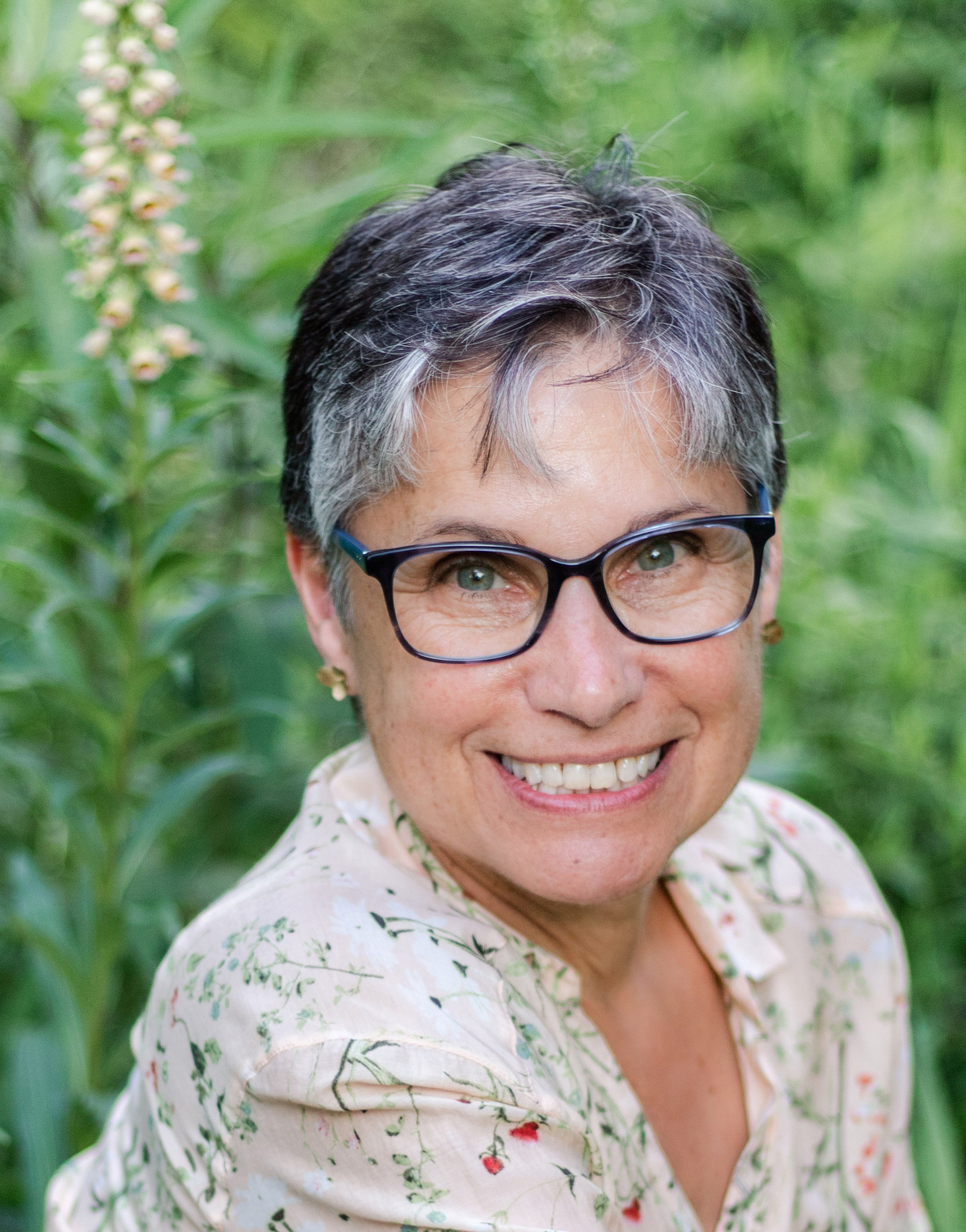
Debra Knapke
5/7/26 What should you plant in your garden: Five Keystones and Five Invasives with Debra Knapke, BPL 7:00
A biodiverse selection of plants in our gardens and landscapes is essential, but how do you choose from the vast array of plants that are available to us? You can create a firm foundation by starting with or adding keystone plants. By planting oaks, goldenrods, and asters you offer ecosystem benefits to wildlife and to yourself. On the other hand, there are invasive plants – plants that cause environmental and economic harm – that you need to reject and eject from your garden. You’ve heard about Amur honeysuckle and Callery pear, but there are many others that are just as persistent. Let’s talk about what should and should not be in your garden.
After two other careers, in 1992 Debra turned her avocation of plant study and gardening into her full-time career. Known as “The Garden Sage”, Debra is passionate about gardening, sustainable garden design and the natural world, and enjoys sharing knowledge through her writing, public speaking, and garden consulting in the private and public sectors. She has served on various local and national committees and boards that focus on education, the environment, and sustainability. She has championed those passions during her two-year term (2014-2016) as Honorary President of the Herb Society of America and as the Co-Chair of the Sustainability Committee of GardenCommn. In addition, she mentored the future of the landscape industry at Columbus State Community College for 24 years. She loves being a gardener and has packed an amazing variety of perennials, trees, shrubs, and edible plants onto the 2/3-acre lot surrounding her home.
Maddie Motes and Madison Wisniewski
5/14/26 Reason in Every Season: Ecological gardening tips for a healthy yard year-round with Madison Wisniewski and Maddie Motes, BPL 7:00
Spring and Summer don’t have to be the only times we enjoy our garden! Join us as we explore various ways you can create a sustainable yard that provides food and habitat for local wildlife in every season. We’ll discuss ways to support local birds and pollinators year-round, as well as ways to conserve water and improve soil health even when you can’t see the ground!
Madison Wisniewski: As the Conservation Implementation Specialist, Madison Wisniewski works with residents, local partners, and other Franklin County entities to implement various conservation practices across the county. As a certified Master Rain Gardener, she focuses on assisting residents and communities with installing rain gardens and other stormwater management tools to better improve water quality. Madison graduated from Ohio University in 2018 with a BS in Environmental Geography.
Maddie Motes is FSWCD’s Conservation Implementation AmeriCorps Member, currently serving her second term with FSWCD. Maddie is a University of Dayton Alumni (Go Flyers!) where she graduated with her BA in Sustainability, an Urban Studies concentration, and minor in Political Science. She fields conservation inquiries, organizes volunteer events, and assists with grant administration. She attends cohort events where she can be involved in native plantings, invasive removals, and cleanups. In addition to direct conservation work, she is involved with Outreach including writing newsletters, developing conservation-based handout materials, and facilitating educational programs like river seining.
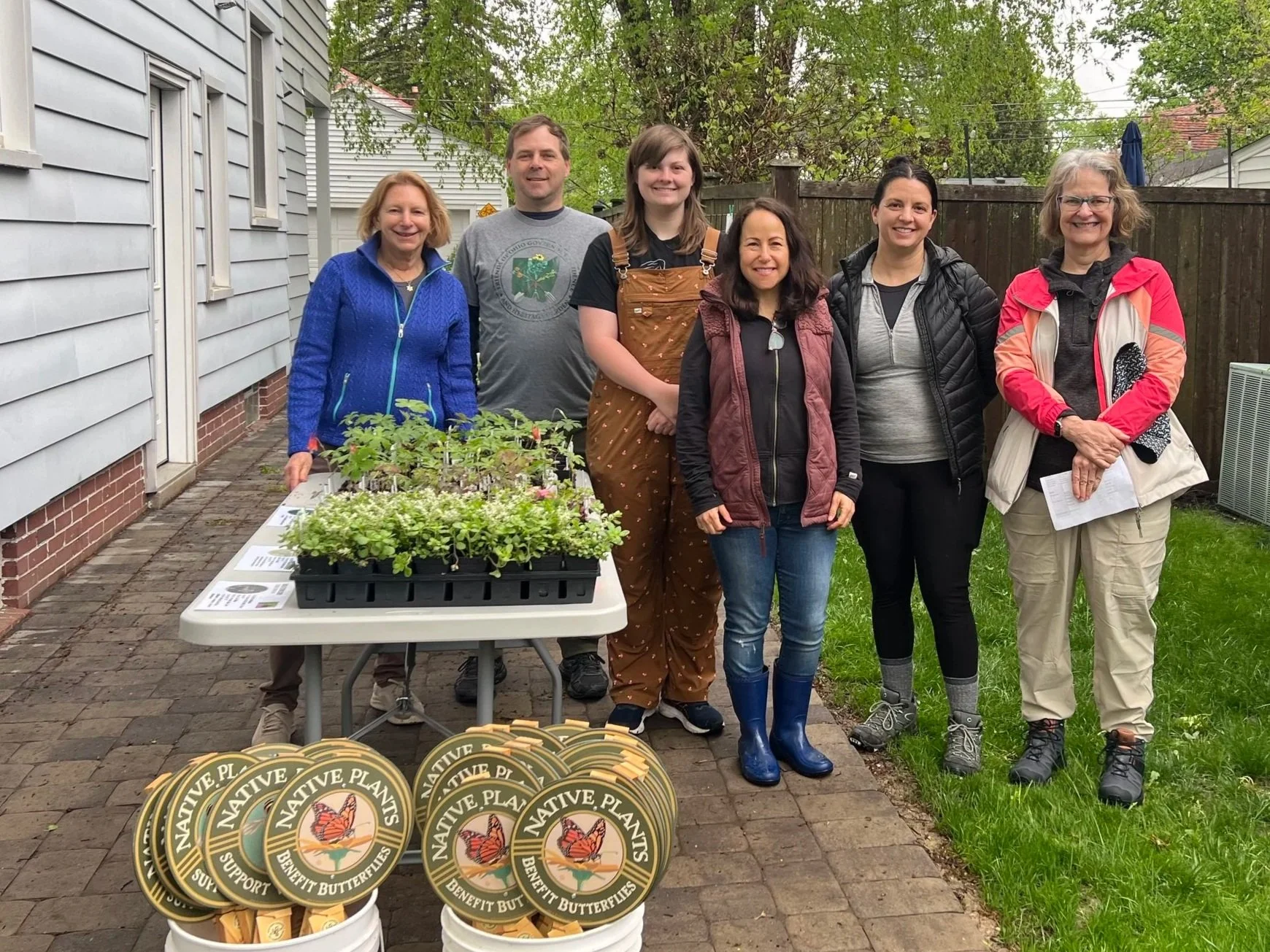
5/3/26 Community Native Plant Giveaway
10:00a-12:00p (or until supplies last!)
Bexley City Hall
Thanks to the generous funding from the City of Bexley and the Bexley Community Foundation, we are offering free native plants to the community! On Sunday, May 3 from 10:00-12:00 (or until we run out!), please stop by City Hall for your free native plants!
Recordings from Past Classes
4/10/25 Attracting Bees and Beneficial Insects with Native Plants with Heather Holm
Most insects have a positive impact in our landscapes. Native plants can be selected to attract specific bees and beneficial insects including predatory and parasitic wasps, beetles, flies, true bugs, and lacewings. Learn about the predator-prey relationships of these flower-visiting beneficial insects and how they help keep problem insect populations in balance. The life cycles, diversity, and nesting habitat of native bees will also be covered along with examples of native plants for different site conditions.
4/30/25 Let’s Turn Water Problems into Water Solutions with Chris Anderson from Catch the Water and Madison Wisniewski
Some yards have “too much” water, while others dry out quickly. In this talk we’ll explore why native plant landscapes in the wild don’t need ongoing irrigation — and how features like rain gardens and bioswales can help both wet and dry sites to soak up water, create important habitat for native birds and beneficial insects, and slow down fertility loss — all while beautifying landscapes with privacy, color and edible elements. Learn why rain gardens are so important and how to put one or more in your own yard. Learn how to best utilize rain barrels, too.
5/14 Natives 101: What, Where, When, Why, & How? with Josh Zingg from Edge Effect
This talk will explore the meaning and value of Native Plants in the residential landscape. It will describe the various terms associated with the Native Plant movement and include specific ways you can use them in your own landscape.
5/2/24 Every Yard Counts: personal contributions to bird conservation with Matthew Shumar
Despite global conservation efforts and successes, many bird species have continued to decline over the past century. These declines received significant attention recently with the published paper in Science, detailing the loss of 3 billion birds in North America, as well as Audubon’s report on the impacts from climate change. Many of the species detailed in these reports are Neotropical migrants and cover vast amounts of land annually. Join us to learn about how you can make your yards and homes bird-friendly and support populations of migratory birds.
5/8/24 Know Your Niche: Right Plant, Right Place in the Residential Garden with Josh Zingg
This talk will explore the residential landscape in the context of ecological niche, which means the particular set of circumstances in which certain plants and plant communities can thrive. By understanding which niches in the natural world match the conditions of your individual site most resemble, you can choose the plants that will flourish in your landscape. Beyond the basics of sun, water, and soil, he will discuss the different ways plants interact, above and below ground, through the seasons, and throughout their individual life-cycles to form healthy communities. He will provide example combinations that work in the most common niches of the residential landscape as well as suggestions for further reading. * Join us for part 2 of this talk with Josh Zingg’s Hands on Gardening Skills class on Saturday, 5/18.
5/15/24 Birdscaping: Gardening for our Feathered Friends with James Muller
In this talk, we will delve into the fascinating world of creating bird-friendly habitats right in your own backyard by leveraging the incredible benefits of native plants. We’ll explore the symbiotic relationship between native flora and avian wildlife, providing a blueprint for transforming your outdoor space into a haven for diverse bird species.
Attendees will gain insights into the specific characteristics of native plants that make them irresistible to birds. From nectar-rich flowers that attract hummingbirds to berry-bearing shrubs that entice songbirds, we will uncover the diverse ways in which native flora serves as a natural magnet for avian visitors. By embracing the principles of ecological gardening, attendees will discover how small changes in landscaping practices can have a significant and positive ripple effect on the broader ecosystem.
Together we can collectively contribute to the conservation of bird species, foster biodiversity, and create a more harmonious coexistence between humans and the feathered inhabitants of our natural world.
Doug Tallamy: Nature’s Best Hope, 5/1/2023, Bexley Public Library
Dr. Doug Tallamy is the inspiration for Love Your Alley. He created Homegrown National Park: a grassroots call-to-action to regenerate biodiversity throughout the country. We invite you to listen to this recording of his inspiring, dynamic talk to learn simple steps that each of us can take to reverse declining biodiversity. Dr Tallamy will explain why we, ourselves, are nature’s best hope.
Garden Design for Small Spaces: Clever Tricks for Alleys, Nooks and Pocket-sized Places with Chris Anderson from Catch the Water, 5/8/2023, Bexley Public Library
Small space garden design is a combination of observation and inspiration. We’ll gain new insights on both with the help of Permaculture designer Chris Anderson. We’ll discuss water flow, slope, shade and sun, time and energy constraints, and how all of these relate to plant choices and stewardship of neighborhood nooks and community crannies. We’ll discuss great plants and creative solutions for community intersections like alleys. Please measure any space you want to steward, and bring a picture or two!
Cultivating Landscapes for Fireflies with Dr. Kayla Perry at the Bexley Public Library, 5/15/2023
Insect populations are in decline worldwide. The causes of insect declines are multifaceted and nuanced, making it difficult to pinpoint a single driver and solution. Beetles (Order Coleoptera) are an abundant and diverse order of insects that contribute to a variety of ecosystem services that support people and nature. Several charismatic groups of beetles are reported to be in decline, including fireflies (Family Lampyridae). This presentation will discuss the ecology and importance of beneficial beetles with a focus on fireflies and highlight strategies to support their populations in landscapes.
Program Sponsors
Thank you to Village and Wilderness and to the Bexley Community Foundation for generously funding this event! Thank you to all of our sponsors! To learn more about their services and events, click on the images below: